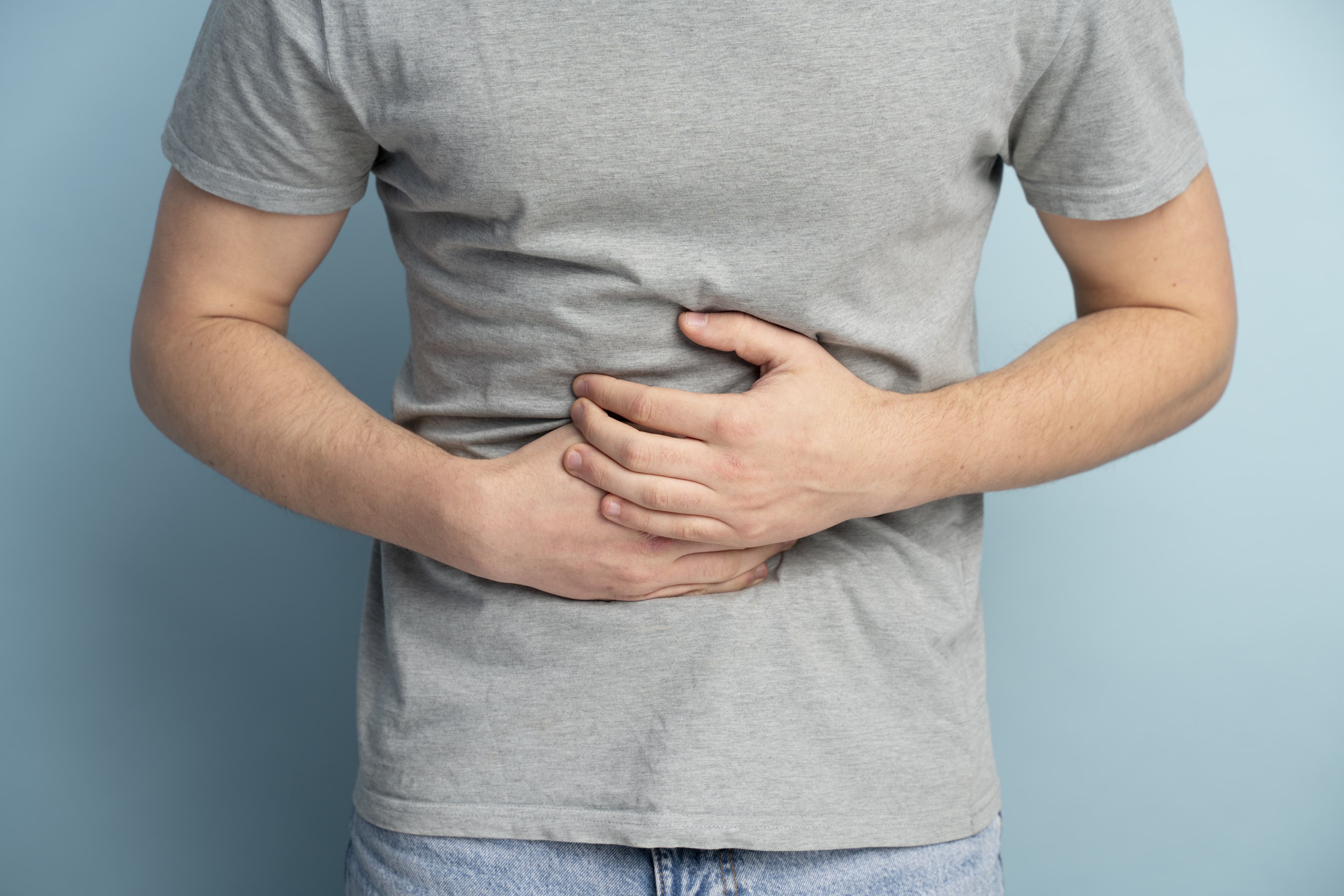
Gastroenterology is a medical specialty that focuses on the diagnosis, treatment, and prevention of disorders and diseases related to the digestive system. The digestive system is responsible for the breakdown, absorption, and processing of food and nutrients in the body. It includes organs such as the esophagus, stomach, small intestine, large intestine (including colon), liver, gallbladder, and pancreas.
For instance, just imagine that your gastrointestinal tract is like a long, winding tube inside your body responsible for processing the food you eat. It starts in your mouth, goes down your throat, and continues through your stomach and intestines until it reaches your bottom.
Sometimes, there can be small differences or problems with this tube that may cause issues. These differences are called anomalies. They might affect how your body breaks down food, absorbs nutrients, or gets rid of waste.
For example, some people may have a narrow part of the tube, almost like a little blockage, which can slow down or block the movement of food. Others may have parts of the tube not connected as they should be. These anomalies can lead to symptoms like stomach pain, difficulty swallowing, or trouble going to the bathroom.
The good news is that many of these anomalies can be managed or treated with the help of specialized doctors called gastroenterologists and internists. Internists like Dr. Yogesh Jain, one of the best gastro doctor in Mumbai, are experts in understanding the anomaly and can suggest the right treatment or lifestyle changes to help you feel better.
If you ever experience any stomach or digestion-related problems, it's essential to share your symptoms with your doctor so they can figure out what might be going on and recommend the best plan to help you stay healthy.
Treatments available
Gastroesophageal reflux disease (GERD): A condition where stomach acid flows back into the esophagus, causing heartburn and irritation.
Peptic ulcers: Sores that form on the lining of the stomach, small intestine, or esophagus, often caused by the bacterium Helicobacter pylori or the use of certain medications like nonsteroidal anti-inflammatory drugs (NSAIDs).
Inflammatory bowel disease (IBD): Conditions such as Crohn's disease and ulcerative colitis, which cause chronic inflammation of the digestive tract.
Irritable bowel syndrome (IBS): A functional disorder of the digestive system characterized by abdominal pain, bloating, and changes in bowel habits.
Gallbladder and biliary tract diseases: Conditions affecting the gallbladder and the network of ducts that transport bile from the liver to the small intestine.
Liver diseases: Including viral hepatitis (such as hepatitis B and C), fatty liver disease, cirrhosis, and others.
Pancreatic diseases: Disorders of the pancreas, including pancreatitis and pancreatic cancer.